Core ingredients backed by published literature
PQQ, PS, and ferulic acid are not novel ingredients — each has peer-reviewed research published in journals such as CNS Neuroscience and Translational Psychiatry.
Research Collaboration
See the full details of our research collaboration program here
View 117 research directionsEvidence Architecture
We believe genuine credibility is built layer by layer: ingredients backed by academic evidence, safety data that can be verified, and rigorous production management.
PQQ, PS, and ferulic acid are not novel ingredients — each has peer-reviewed research published in journals such as CNS Neuroscience and Translational Psychiatry.
Each ingredient has an SDS (Safety Data Sheet), and years of usage history show no reports of serious side effects.
Manufactured in a GMP-certified facility that meets pharmaceutical-grade quality standards, with consistent control from raw material intake through manufacturing, storage, and shipping.
Compound by Compound
Don't trust the phrase "proprietary secret formula." A legitimate functional food should be able to disclose every ingredient.
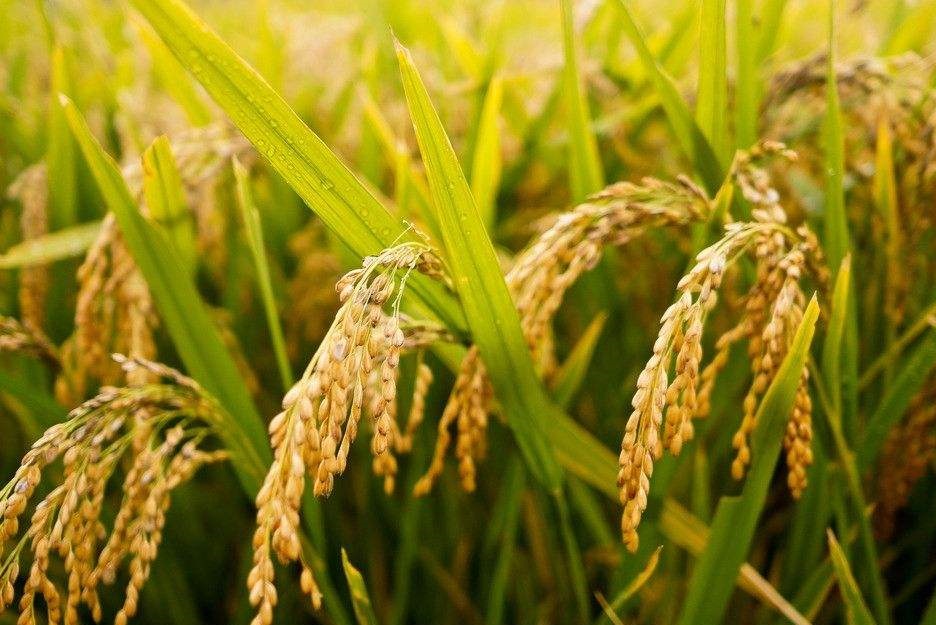
Antioxidant · neuroinflammation modulation · pathways linked to mood
Ferulic acid is a natural polyphenol widely found in grains and plants, with strong antioxidant and anti-neuroinflammatory effects. A 2023 review in CNS Neuroscience & Therapeutics discusses it as a candidate adjunct approach for depressive symptoms, involving pathways such as monoamine neurotransmitters, neuroplasticity, and neuroinflammation.
Key literature: "Ferulic acid as a treatment for depression" (DOI: 10.1111/cns.14265) / "Effect of ferulic acid and Angelica archangelica extract on behavioral and psychological symptoms of frontotemporal lobar degeneration and dementia with Lewy bodies" (Geriatr Gerontol Int. 2011)
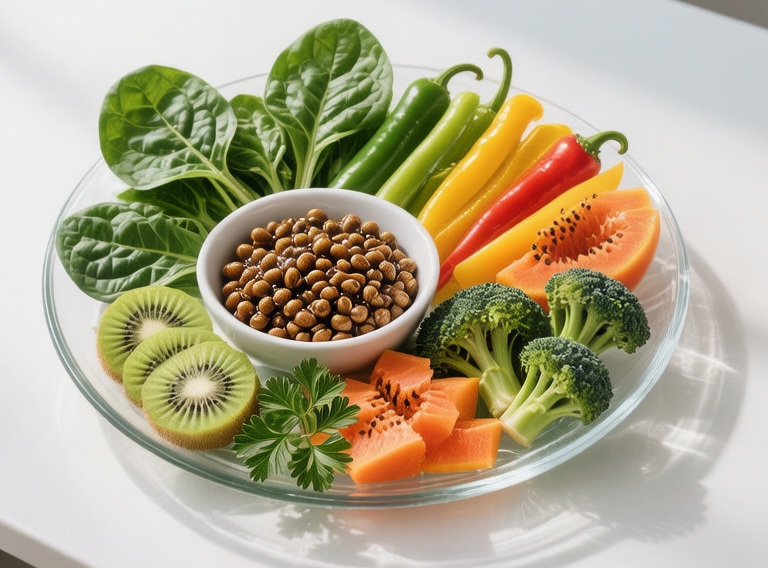
Mitochondrial biogenesis · neural energy metabolism
PQQ is a vitamin-like cofactor whose key role is promoting mitochondrial biogenesis. When the brain is under prolonged stress, chronic inflammation, or the effects of aging, declining mitochondrial function is thought to be one shared background mechanism behind cognitive and emotional issues. PQQ has been used as a dietary supplement for many years in Japan and the United States.
Key literature: "Effect of dietary pyrroloquinoline quinone disodium salt on cognitive function in healthy adults: a randomized, double-blind, placebo-controlled, parallel-group trial" (J. Am. Coll. Nutr., DOI: 10.1080/07315724.2021.1962770)
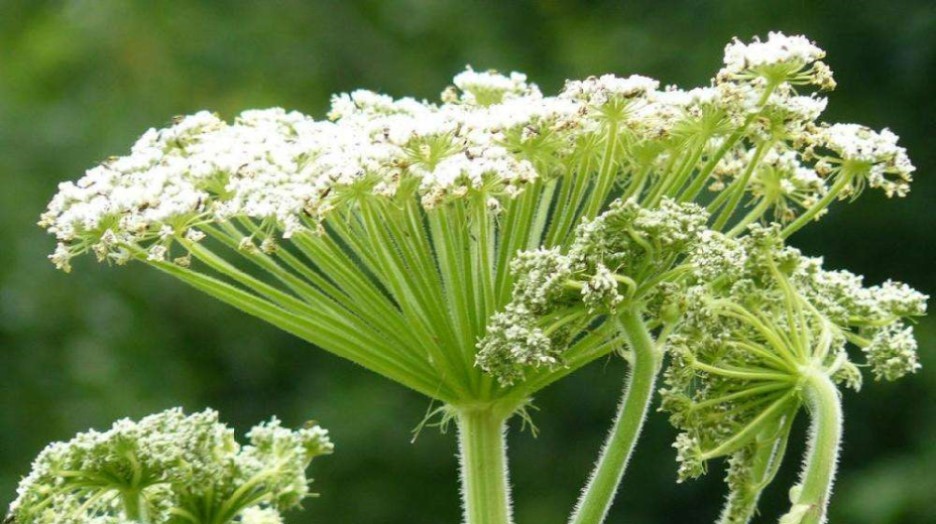
Microcirculation support · rooted in traditional medicine
Angelica keiskei (baizhi) is a botanical long used in traditional Japanese herbal medicine. Modern research has drawn attention to active compounds such as polysaccharides, ferulic acid, and ligustilide for their potential roles in microcirculation, anti-inflammatory, and antioxidant effects. In the Chienomoto formulas, it's combined with ferulic acid, PQQ, and PS, especially in formulas designed for seniors concerned about emotional wellbeing or declining cognitive function.
Key literature: "Effect of ferulic acid and Angelica archangelica extract on mild cognitive impairment" (J. Alzheimer's Dis. Reports 4 (2020) 393–398, DOI: 10.3233/ADR-200211)
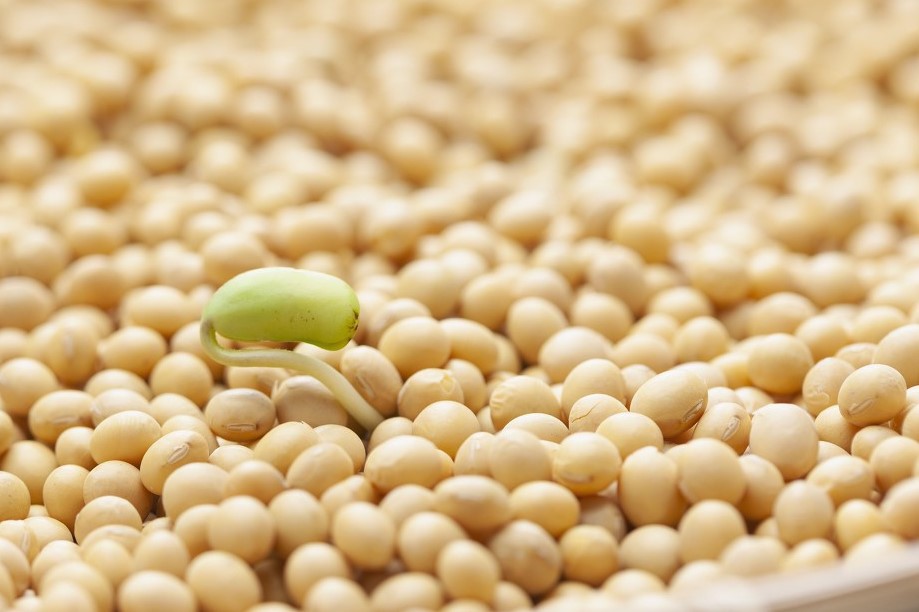
Key component of neuronal cell membranes · attention · memory
Phosphatidylserine is a major structural component of neuronal cell membranes, involved in neurotransmitter release and maintaining receptor function. The body's ability to synthesize it declines with age. In 2003, the US FDA granted a qualified health claim linking PS to cognitive function support — one of the most notable evaluations of PS in the field of cognitive nutrition.
Key literature: "A systematic review and meta-analysis of phosphatidylserine for attention deficit hyperactivity disorder in children" (JACM Vol.27, No.4, 2021, pp.312–322, DOI: 10.1089/acm.2020.0432)
Safety Profile
Every raw material has an SDS (Safety Data Sheet), and we share it openly. Below is a simplified summary.
| Ingredient | Acute toxicity | Long-term safety | Known contraindications | SDS source |
|---|---|---|---|---|
| PQQ | Extremely low | Used as a food ingredient for many years in Japan and the US | None reported | Mitsubishi Gas Chemical SDS |
| PS (phosphatidylserine) | Extremely low | Holds an FDA qualified health claim | Caution advised for those with soy allergy | Raw material manufacturer SDS / public materials |
| Ferulic acid | Extremely low | Naturally present in food | Consult your doctor if pregnant | Raw material manufacturer SDS, June 2020 edition |
| Angelica keiskei extract | Classified as a food-medicine homology ingredient | Long history of use in traditional medicine | Caution advised during menstruation or for those with a bleeding tendency | Pharmacopoeia and raw material manufacturer materials |
Suitable for
Children age 1 and up, adolescents, adults, and seniors.
Caution / careful consideration needed
Those with a severe soy allergy, who are pregnant or breastfeeding, who have a bleeding tendency, or who take anticoagulant medication should consult a doctor beforehand.
Should not use
Children under 1 year old, or anyone with a known allergy to any formula ingredient.
A General Example
We're often asked, "Can this be used alongside my current medication?" What follows is offered purely as one general illustrative example.
Professional evaluation and diagnosis
A child psychiatry or developmental clinic determines an ADHD diagnosis and treatment plan
Primary treatment begins
The core medication is used according to the physician's prescription
Side effects are monitored
Appetite, sleep, mood, and growth indicators are tracked continuously
Nutritional support is added
Introduced as nutritional support after consulting the physician
Ongoing follow-up
Condition is reviewed regularly, and adjustments to primary treatment remain the physician's call
An important note: the above is only one example illustrating a general way of thinking, and does not represent a "standard treatment procedure." Every child, adult, and senior's situation is different. Whether to introduce Chienomoto, when to start, and how to combine it with existing treatment must always follow the judgment of the attending physician.
Tell us what treatment your child or senior family member is currently receiving, their condition, and what their doctor has said. We'll give you specific guidance.
