Find Your Fit
Find your family's situation,
then decide whether to read on
The ten scenarios below reflect real concerns that most families are already facing when they arrive here. Start by finding the one closest to your own, then read on for the details.
 A · School-Age Families
My child can't focus, can't sit still, and homework drags on past midnight
Ages 1–14 · ADHD / developmental delay / ASD
How many of the following apply?
- The teacher says they're often distracted and restless in class
- Homework that should take an hour still isn't finished past 10pm, every night
- Already taking ADHD medication, but worried about side effects (loss of appetite, weight loss, mood swings, worse sleep)
- Don't want to increase medication right away, but behavioral therapy hasn't helped much either
- Diagnosed with ADHD or ADD, and the doctor said "let's watch and see," but the worry remains
What Chienomoto can do
The two core ingredients PS (phosphatidylserine) and PQQ are involved in neuronal membrane stability and mitochondrial energy metabolism, respectively — "foundation-level" nutritional support for sustaining attention.
For families continuing medication (such as central nervous system stimulants), it is often used as complementary nutritional support, with the goal of easing the burden of side effects, modestly extending focus duration, and softening mood swings.
What Chienomoto cannot do
This is not a medication. It cannot replace professional ADHD evaluation or treatment. Diagnosis must always be made by a child psychiatrist or developmental-behavioral pediatrician.
It does not work in a week. Most families begin to notice change after 6–12 weeks of continued use — patience is required. It also does not resolve environmental factors.
※ Important note: A child's ADHD must always be diagnosed and treated by a qualified specialist. Wanting to use Chienomoto is never a reason to stop a doctor-prescribed medication on your own. Always consult your child's physician before adjusting the treatment plan.
 B · Families with Teens
My child is emotionally unstable and doesn't want to go to school — the doctor said "mild depression"
Ages 11–17 · sub-threshold depression / early depression / families with co-occurring anxiety
How many of the following apply?
- Over the past 1–3 months, they've grown noticeably quieter and lost interest in things they used to enjoy
- Doesn't want to go to school, and skips with excuses even without any clear physical illness
- Clear changes in sleep or appetite (sleeping too much / too little, overeating / not eating)
- A doctor has assessed "sub-threshold depression" or "mild depression," with both watchful waiting and medication as options
- Neither your child nor you want to start antidepressants right away, but waiting also feels frightening
What Chienomoto can do
Depression involves neuroinflammation, neurotransmitter metabolism, and energy metabolism. The combination of ferulic acid + Angelica keiskei extract has shown a modulating effect on mood-related pathways in published research.
In the gray zone where "medication isn't yet essential," nutritional support is often chosen as a first step, used alongside counseling and family support.
What Chienomoto cannot do
This is not a substitute for professional evaluation. If your child shows signs of self-harm, suicidal ideation, severe insomnia, or hallucinations, seek medical care immediately. Do not use nutritional support in place of treatment.
Its effect is supportive and gradual, nothing more. Please don't turn it into a new source of emotional pressure, like "but I bought this for you."
※ Important note: Depression in adolescence is a serious medical concern. If a doctor recommends medication, please respect that judgment. Do not delay treatment because you'd rather "try nutrition first." Chienomoto's role is supportive, never a substitute.
 C · Self-Care
Light sleep, foggy the next day, can't focus at work
Ages 18–55 · knowledge workers / parents raising children / midlife discomfort
How many of the following apply?
- Falls asleep every night, but wakes 1–3 times, and feels exhausted the next morning
- Has tried melatonin, but stopped out of concern about dependence or hormonal effects
- Brain feels foggy during the day, and it takes cup after cup of coffee to get through
- Not severe enough to see a doctor, but the poor sleep has already lasted more than 3 months
- Understands the link between sleep and brain health, but doesn't want to rely on sleeping pills
What Chienomoto can do
Chronic mild sleep trouble is often linked to neuroinflammation and reduced mitochondrial function. PQQ has research support for both mechanisms, and PS is associated with regulation of the HPA axis (the stress axis).
The two effects users report most often are fewer nighttime awakenings and a clearer head during the day.
What Chienomoto cannot do
This is not a sleeping pill. It cannot address severe insomnia (sleeping under 4 hours a night, every night, for 2+ weeks straight). In that case, we recommend a sleep specialist.
It is not a substitute for sleep hygiene. Good sleep starts with a good sleep environment — avoid screens before bed and keep the bedroom dim.
※ Important note: If insomnia is a symptom of anxiety disorder, depression, bipolar disorder, hyperthyroidism, or another condition, treating the underlying condition should come first.
 D · Elder Care
My parent's memory is getting worse, diagnosed with cognitive decline, and told "there's no medication to prescribe"
Ages 55+ / family caregiving · early cognitive decline / post-stroke rehabilitation
How many of the following apply?
- Over the past 6–12 months, they've started repeating the same stories
- More often forgetting to turn off the gas, forgetting medication, or losing track of where the keys are
- Subtle personality changes — talking less, or becoming more irritable
- A health checkup or medical evaluation suggested MCI (mild cognitive impairment) or early-stage dementia
- The doctor said "there's no miracle drug right now, try cognitive training," but it's unclear what to actually do
- Has a history of stroke, accompanied by low mood or apathy
What Chienomoto can do
For someone with MCI, early Alzheimer's, or post-stroke cognitive decline, the goal isn't "making them sharper than before" — it's slowing decline and preserving daily function.
Changes families often mention: repeating stories less often, reacting slightly faster, calmer mood, better sleep.
What Chienomoto cannot do
This cannot reverse moderate-to-severe dementia, and is not a substitute for medications like donepezil or memantine. Continue prescribed medications as directed, and use Chienomoto only as a supplement.
This does not solve the burden of caregiving itself. Please also seek respite care, caregiver communities, and psychological support — if the caregiver burns out, the whole family suffers.
※ Important note: Cognitive decline is a progressive process, and earlier intervention tends to be more effective. If clear symptoms are already present but no specialist has been seen, please get a formal evaluation from neurology or a memory clinic first.
 E · Post-Stroke Rehab
My parent is recovering physically from a stroke, but has no energy
Stroke survivors age 50+ / family caregiving · post-stroke depression / vascular cognitive impairment / microcirculation recovery period
How many of the following apply?
- Had acute treatment for a stroke within the past six months, and is currently in the rehabilitation period
- Physical function is gradually improving, but they talk less and avoid going out
- The doctor mentioned "post-stroke depression" or "vascular cognitive impairment," but offered no concrete next steps
- Memory and reaction speed are clearly worse than before the stroke, sometimes not recognizing relatives
- Low motivation during rehab sessions, getting irritable or giving up partway through
- Already taking antiplatelet drugs, blood pressure medication, and lipid-lowering drugs, and doesn't want to add more prescriptions
What Chienomoto can do
A post-stroke brain faces four challenges at once: neural repair, neuroinflammation, mood regulation, and microcirculation recovery. Chienomoto's combined formula addresses all four — ferulic acid for antioxidant and neuroprotective support, Angelica keiskei extract for microcirculation, PS for neuronal membrane repair, and PQQ for mitochondrial energy metabolism.
Used alongside rehabilitation training, the goal during recovery is for the mind to keep pace as the body improves.
What Chienomoto cannot do
This is not a substitute for secondary prevention. Antiplatelet drugs, blood pressure medication, and lipid-lowering drugs must continue exactly as prescribed. Adding nutritional support is never a reason to reduce medication.
It does not speed up motor recovery, and self-directed use during the acute phase is not recommended — introduce it only after the physician has confirmed the condition is stable and set the rehabilitation plan.
※ Important note: Any adjustment to post-stroke medication or nutritional support must be discussed with the neurologist or rehabilitation physician first. During the acute phase (within 2–4 weeks of onset), follow the doctor's instructions strictly. Seek medical care immediately for clear symptoms of post-stroke depression.
 F · Exam Candidates
In the final push, the more they review, the less sticks, and anxiety keeps them up at night
Ages 16–30 · university entrance exams / graduate school entrance / certification exams / study-abroad exams / working adults studying
How many of the following apply to the student?
- Studying more than 10 hours a day, yet efficiency is dropping and problem-solving is getting slower
- Forgets material by the next day even after "memorizing" it, and needs to review repeatedly
- Around 3–5pm the brain stops working, and they're getting by on coffee or energy drinks
- Sleep has shrunk to 5–6 hours, and even lying down, the mind won't rest — anxious and drowsy at once
- Mood swings have become noticeably larger, and swings in mock exam scores are wearing on the student and the family
- Doesn't want to rely on prescription medication, but wants to "keep the brain going" through just this period
What Chienomoto can do
During long, intense exam preparation, the brain's problem usually isn't "not being smart enough" — it's energy supply falling short, neural membrane repair falling behind, and the stress axis staying stuck open.
Users most often report slightly longer focus spans, less afternoon drowsiness, and being able to fall asleep at night once lying down. Together, these help stabilize the overall study rhythm.
What Chienomoto cannot do
This is not a "smart pill." It won't raise IQ or suddenly double problem-solving speed, and it doesn't replace the volume of practice, systematic review, or disciplined habits needed.
Its effect does not appear within a week. We recommend starting 1–2 months before the exam, giving the body time to adjust. Starting just three days before the final push accomplishes little.
※ Important note: Chienomoto is a functional food and makes no claim of "improved grades," "increased intelligence," or "guaranteed admission." If persistent insomnia, panic attacks, clear low mood, or thoughts of self-harm appear during exam preparation, please seek professional help from a psychiatrist or counselor right away.
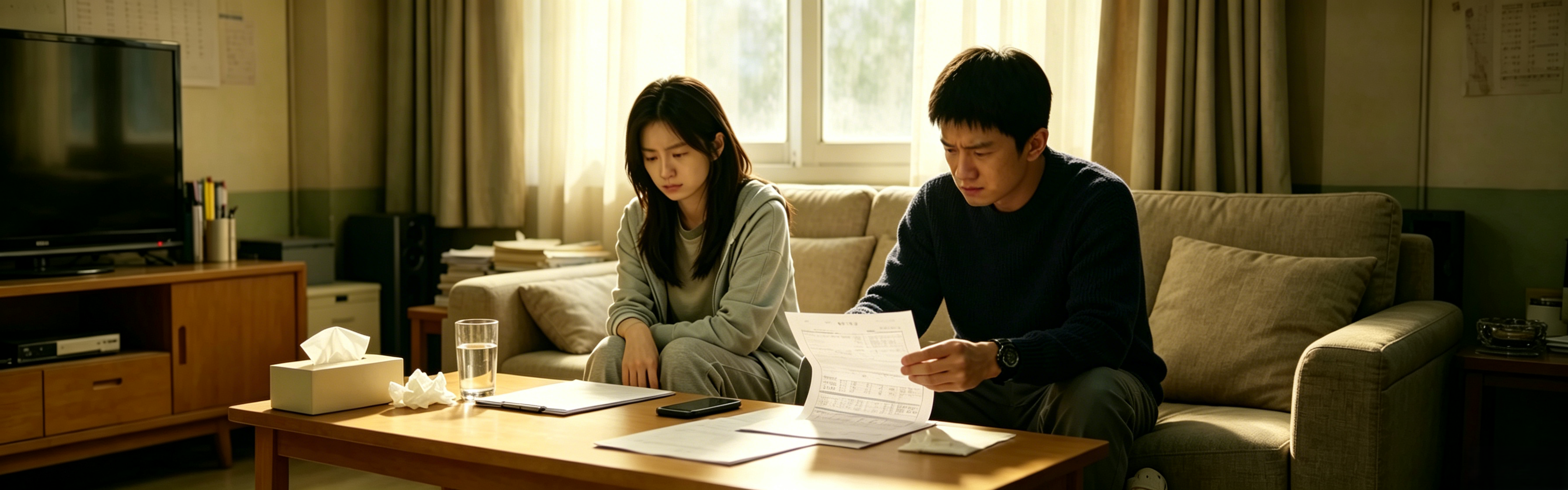 G · Trying to Conceive / In Fertility Treatment
Amid fertility treatment or an IVF cycle, drawn-out anxiety and sleepless nights
Trying to conceive · IVF cycles · chronic anxiety, insomnia, and emotional stress
How many of the following apply?
- A long fertility treatment or IVF cycle has brought so much pressure that sleep won't come, all night
- Around ovulation induction or embryo transfer, mood swings intensify — irritability or tearfulness
- The more you try to "just relax," the harder it is to sleep, leaving daytime fatigue and poor concentration
- Wants to avoid sleeping pills or anti-anxiety medication during fertility treatment, worried about effects on the cycle
- Repeated setbacks have led to low mood, self-blame, and strain on the relationship
What Chienomoto can do
Ferulic acid's antioxidant action, PS's role in regulating the stress axis (HPA), and PQQ's support for energy metabolism — together these address "shallow sleep under stress, daytime fatigue, and mood swings."
Users commonly report slightly deeper sleep, less daytime fatigue, and somewhat steadier mood — enough energy to face each clinic visit.
What Chienomoto cannot do
This is not a fertility-support product — it cannot raise pregnancy rates or treat infertility, and it is not a substitute for specialized reproductive medicine care.
Medication during ovulation induction, transfer, and luteal support is complex. Always consult your fertility specialist before adding nutritional support.
※ Important note: If using nutritional support during fertility treatment, especially during ovulation induction, transfer, or luteal support medication stages, always confirm with your reproductive medicine or OB-GYN physician. Chienomoto is a functional food, not intended to diagnose or treat infertility, and not intended to increase the chance of pregnancy.
 H · Families After Childbirth
Postpartum low mood, awake all night, exhausted and at the end of your rope
Mothers 0–12 months postpartum · low mood, insomnia, fatigue, irritability
How many of the following apply?
- Low mood or tearfulness has continued for 2+ weeks postpartum, with no interest in anything
- Even when the baby sleeps, you can't — or you wake at the slightest sound, with ongoing sleep deprivation
- Easily irritated, snapping at family, then feeling intense self-blame afterward
- A doctor mentioned "postpartum mood issues" or "mild postpartum depression" and suggested watchful waiting
- Doesn't want to take medication while breastfeeding, but is worried about the effects of leaving it untreated on both mother and child
What Chienomoto can do
Ferulic acid + Angelica keiskei extract has research support related to mood pathways, PS is associated with stress-axis regulation, and PQQ supports energy metabolism — together addressing "persistent insomnia, daytime fatigue, and mood swings."
Used as complementary nutritional support alongside adequate rest and psychological care, the goal is first to stabilize sleep and stamina.
What Chienomoto cannot do
This is not a substitute for professional evaluation or treatment. Always confirm with your doctor whether it's suitable while breastfeeding and how it interacts with nursing.
If persistent hopelessness, or thoughts of harming yourself or your baby arise, seek medical care immediately or contact a counseling helpline. Do not use nutritional support in place of treatment.
※ Important note: Postpartum depression is a medical concern that requires professional intervention. Always consult a doctor before using any product while breastfeeding. Seek medical care immediately if there is any thought of self-harm, harm to the infant, severe insomnia, or hallucinations. Chienomoto is a functional food and is not a substitute for antidepressant treatment.
 I · Families in Post-Surgical Rehab
A family member had brain surgery, and recovery is "almost there"
Craniotomy / brain tumor / brain hemorrhage / traumatic brain injury rehabilitation, under a physician's guidance
How many of the following apply?
- A family member had brain surgery (tumor removal, hemorrhage, trauma, etc.) and is currently in the rehabilitation period
- Since surgery, reactions have slowed, memory has declined, and fatigue comes easily — recovery feels "almost there"
- Low mood, talking less, and low motivation for rehabilitation training
- Disrupted sleep, with day-night rhythm thrown off
- Already following the doctor's medication plan exactly, and looking for a bit more nutritional support
What Chienomoto can do
The combined formula addresses several aspects at once — neural repair, neuroinflammation, energy metabolism, and mood. Ferulic acid provides antioxidant and neuroprotective support, Angelica keiskei extract supports microcirculation, PS is involved in neuronal membrane repair, and PQQ boosts mitochondrial energy metabolism.
Used alongside rehabilitation training, the goal during recovery is for the mind to keep pace as the body improves.
What Chienomoto cannot do
This is not a substitute for standard post-surgical treatment. Anti-seizure medications, intracranial-pressure-lowering drugs, and rehabilitation training must all continue exactly as the doctor directs.
Self-directed use during the acute phase is not recommended. Whether and when to introduce it must always be decided by the neurosurgeon or rehabilitation physician.
※ Important note: If using nutritional support after brain surgery, always obtain your physician's evaluation and consent first. Follow the doctor's instructions strictly during the acute phase. Chienomoto is a functional food and is not a substitute for surgical treatment or post-surgical medication.
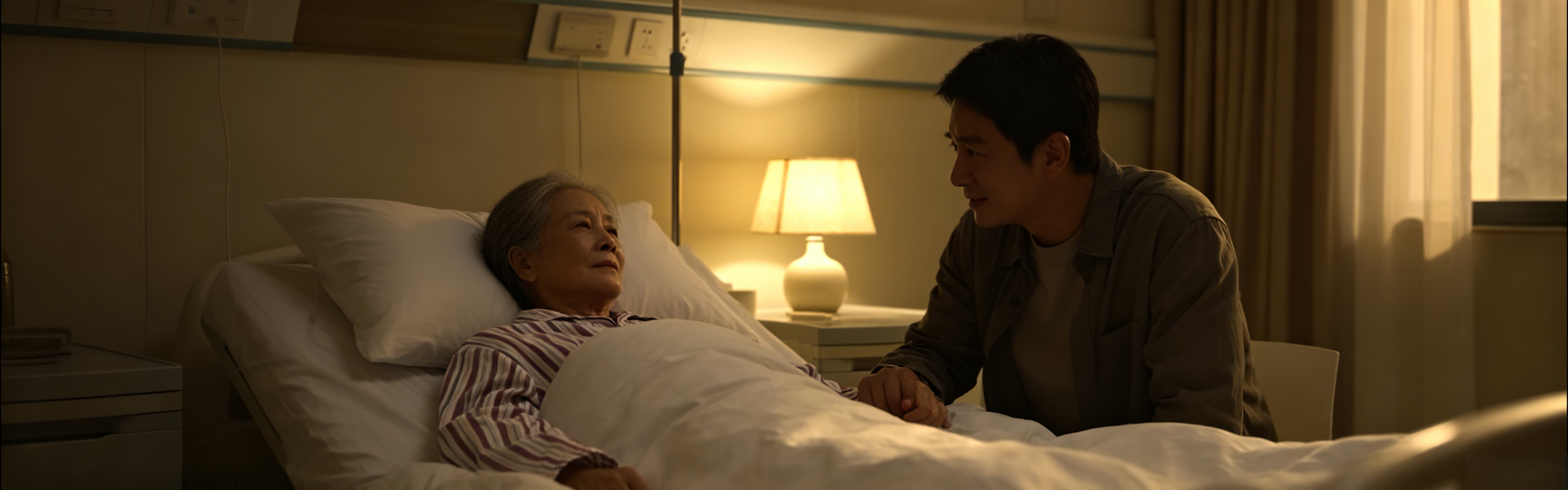 J · During Treatment / Recovery
During treatment, drawn-out anxiety and sleepless nights, too exhausted to function
Those in treatment or recovery · anxiety, insomnia, fatigue (not intended as an anti-tumor treatment)
How many of the following apply?
- Since diagnosis, long-term anxiety and all-night insomnia have continued, with the mind repeatedly turning to worst-case outcomes
- During treatment, there's fatigue, brain fog ("chemo brain"), and reduced concentration
- Low mood and loss of interest in surroundings, but doesn't want to increase anti-anxiety or sleep medication further
- Poor sleep is affecting daytime state and the ability to cope with treatment
- Looking for gentle nutritional support for mood and sleep
What Chienomoto can do
It offers nutritional support for mood and sleep — PS is involved in stress-axis regulation, PQQ supports energy metabolism, and ferulic acid has antioxidant properties, together addressing "anxiety-driven insomnia, daytime fatigue, and mental fog."
Users most often report sleeping a little better, having a bit more energy during the day, and being able to talk with family a little more.
What Chienomoto cannot do
This is not an anti-tumor product — it cannot treat, shrink, or control a tumor, and is not a substitute for any treatment, including surgery, chemotherapy/radiation therapy, or targeted/immunotherapy.
Some antioxidant ingredients may interact with certain treatments. Always consult your treating physician before adding nutritional support.
※ Important note: Every treatment decision and nutrition plan during treatment must defer first to your treating physician's judgment. Because some antioxidant nutrients may affect the efficacy of certain treatments, always confirm with your doctor before use. Chienomoto is a functional food, not intended for the prevention, diagnosis, or treatment of any disease, and is not a substitute for standard treatment.

Not sure if it fits your family?
Get a free consultation
Tell us about your specific situation. Based on the scenario, your current treatment plan, and the condition of your child or elder family member, we'll let you know whether Chienomoto can help and what to watch for.